Problem it solves
Deals stall when work moves between sales, onboarding, collections, and management without a clear owner, deadline, or record of what is blocking the next step.
Deal Hub keeps commercial work moving after the first lead: proposals, contracts, onboarding, collections, missing documents, and department follow-ups are tracked as owned cases.
Deals stall when work moves between sales, onboarding, collections, and management without a clear owner, deadline, or record of what is blocking the next step.
Deal Hub turns deal-stage exceptions into structured cases. Each case is tied to a stage, owner, department, due date, contract, attachments, urgency, and reporting line so follow-up work becomes visible.
Deal Hub is the operational layer around the deal lifecycle. It does not replace sales activity; it makes the work around a deal accountable once a proposal, contract, onboarding step, collection process, or missing document needs action.
Teams can create formal cases for follow-ups, reminders, missing documents, incomplete tasks, process breaks, and cross-department communication. Managers get a clean view of what is blocked, who owns it, and when it should be completed.
Each area maps to a real workflow a buyer, operator, or administrator would recognize.
Lead, proposal, contract, onboarding, and collection activity are grouped around the same commercial record so teams know which stage the work belongs to.
Users create cases with generated IDs, subjects, case types, timestamps, contract references, attachments, descriptions, and supporting documents.
Each case carries a next-action owner, department owner, expected completion date, urgency flag, and reporting-line context for escalation.
Operational follow-ups become a visible queue of open work instead of informal reminders spread across email, WhatsApp, and calls.
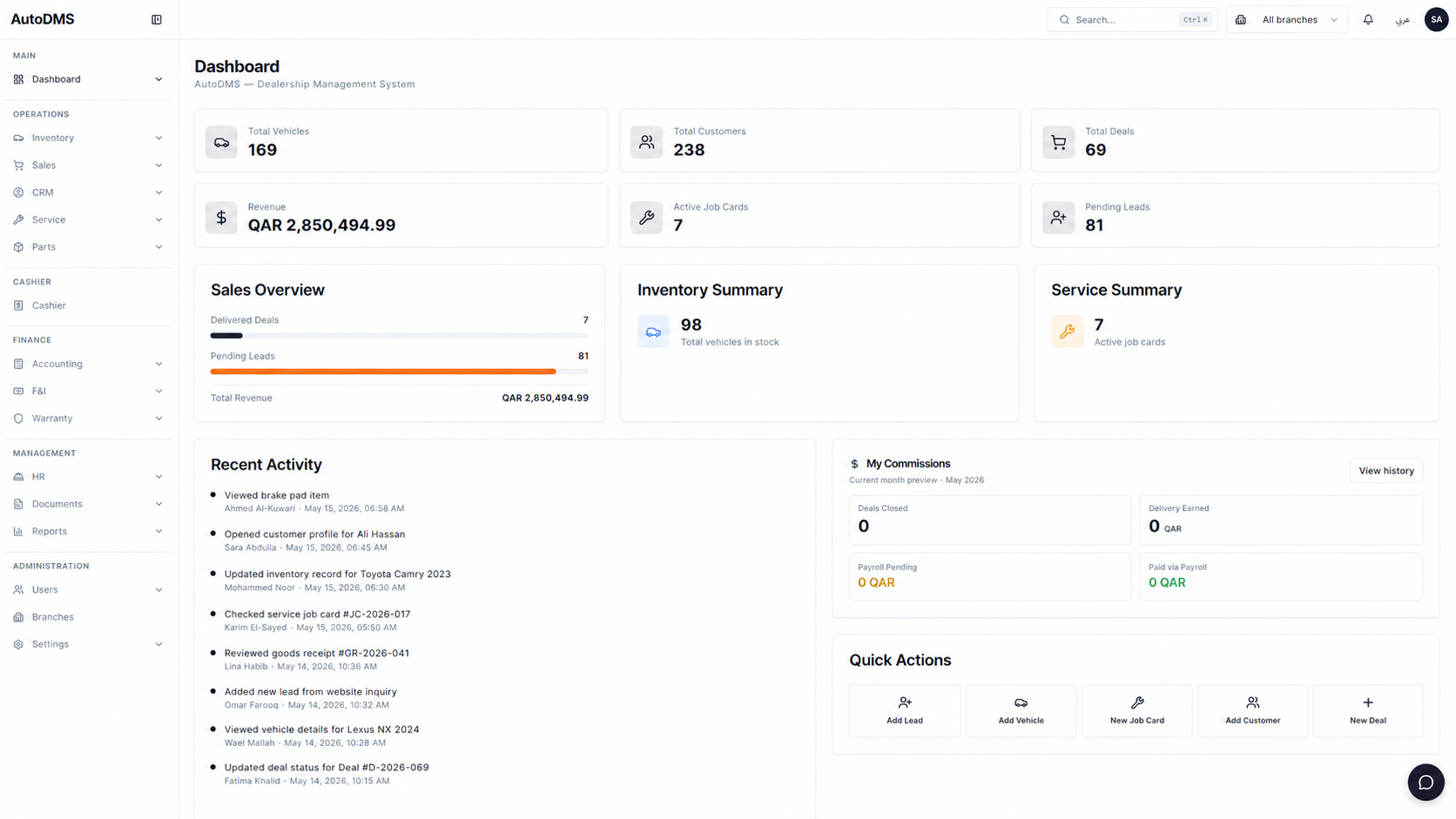
AutoDMS centralizes dealership sales, service, parts, inventory, customers, finance records, and branch reporting so every department works from the same operating system.
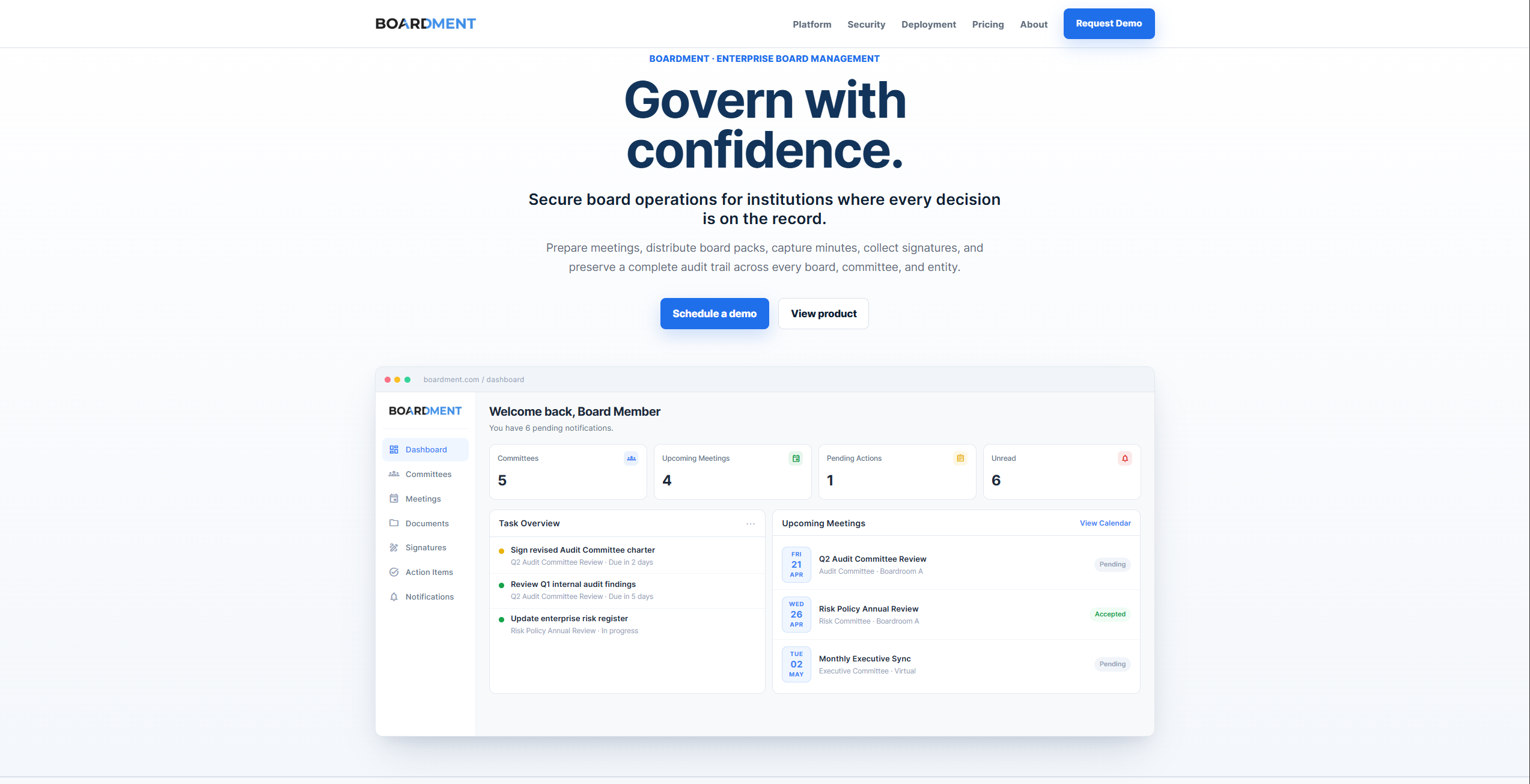
Boardment is board management software for institutions that need meeting packs, committees, minutes, signatures, decisions, action items, and audit trails under controlled access.
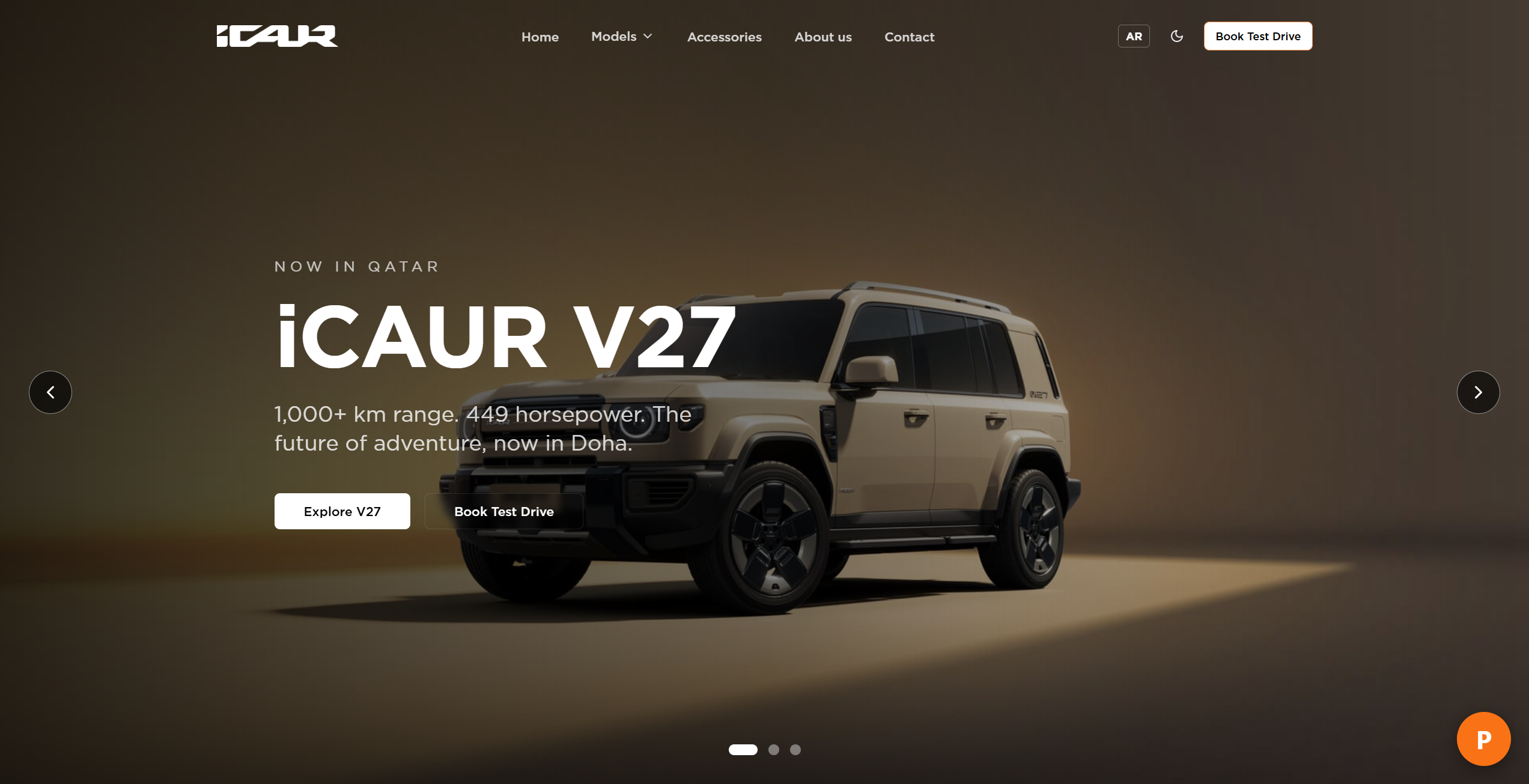
iCAUR Qatar is a dealership CMS for Powerline Motors, combining a premium automotive website, flexible brand and model catalog, lead capture, admin dashboard, and embedded assistant.